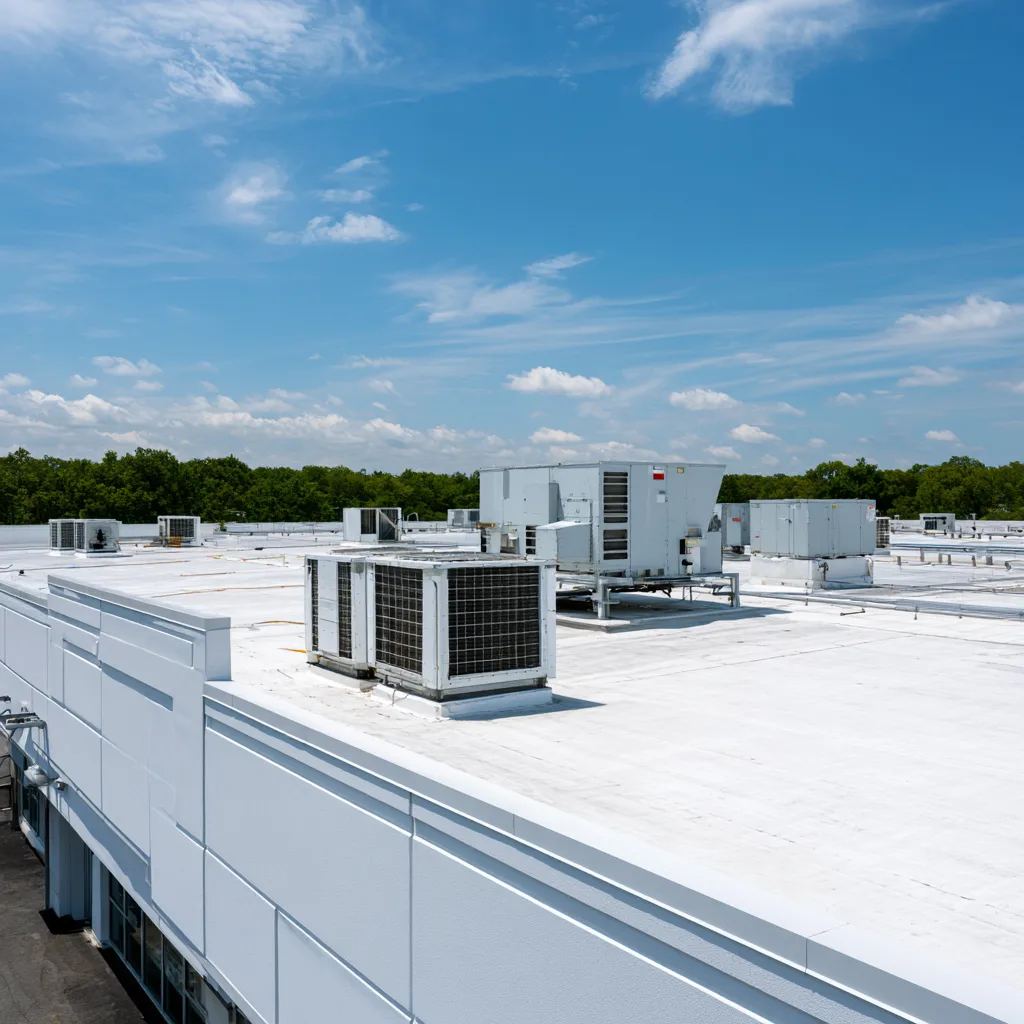
Commercial Roofing in Fairview, TX
Get commercial roofing help for your Fairview property, with repair, coating and replacement decisions tied to the roof system and the building below.
Free roof inspections for Fairview homes and commercial properties.
Commercial roof work for your Fairview building
A leak above an occupied space is both a roofing problem and an operating problem. The roof needs a reliable repair, while access, equipment and the space below need to stay part of the plan.
Start with where water appears and anything known about the roof system. The inspection can then work outward from the affected area to seams, flashing, drainage and the condition of the existing assembly. For a larger project, those findings also explain what is worth retaining and what needs removal.
The details a Fairview commercial roof needs checked
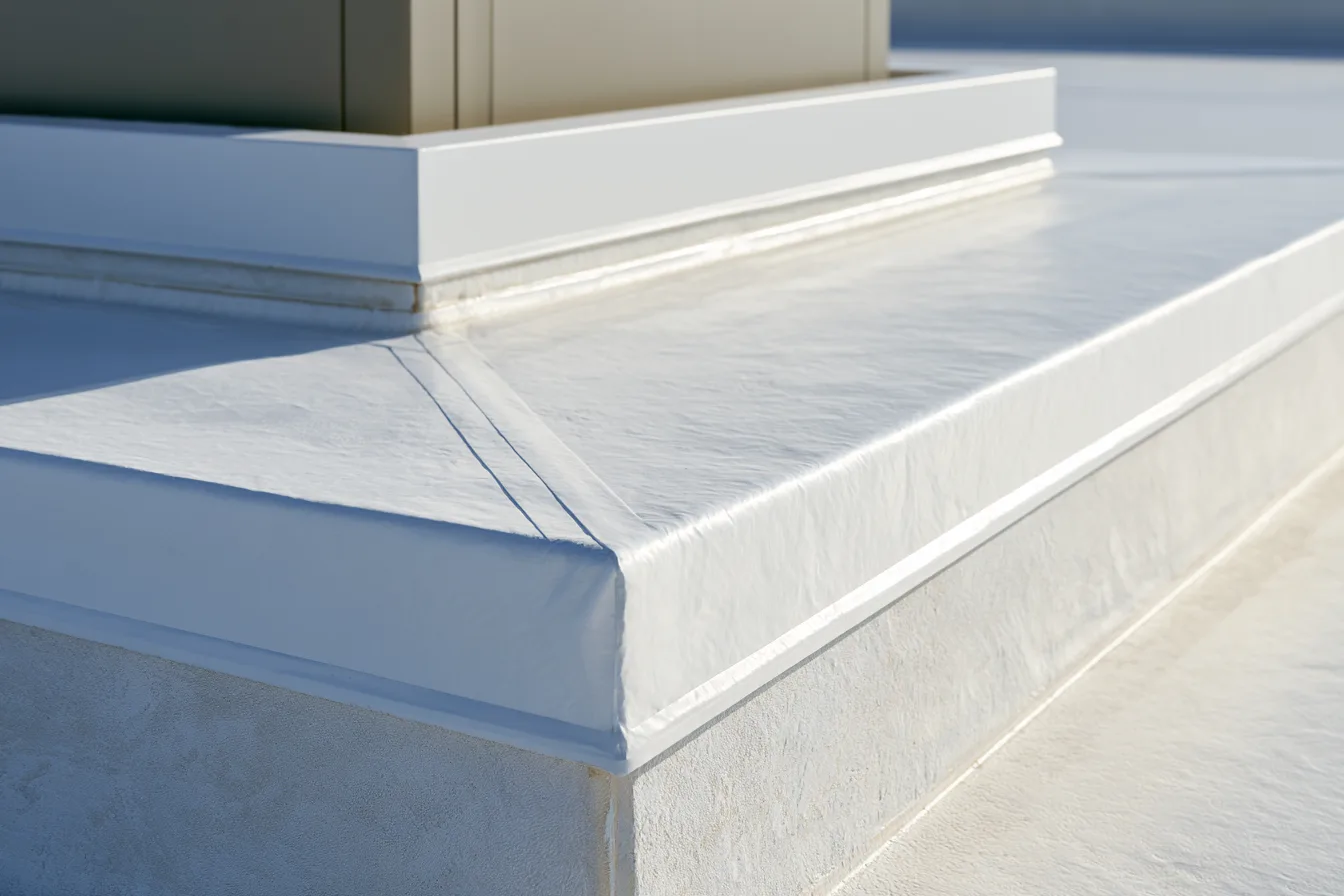
A broad sheet of membrane can look simple from a distance. At a rooftop unit, the covering has to turn upward, seal around the curb and meet other materials. Sheet seams, drain connections and penetrations create their own details too.
Repairing a failed corner means addressing that connection with compatible materials. If moisture has spread beneath the visible covering, the work has to account for the affected layers. A surface patch alone does not remove trapped water.
What is under a Fairview commercial roof
The visible covering works with a supporting deck, insulation, attachment and roof details. Their condition determines which layers can usefully stay when the roof is repaired, restored or replaced.
The deck
A steel, wood or concrete deck supports the roof assembly. Equipment may have its own structural supports. Corrosion, decay or other damage needs evaluation before new roofing covers it, including the appropriate structural expertise when support is in question.
Insulation and cover board
Rigid insulation may sit under a dense cover board. Moisture can reduce insulation performance, add load and affect adjacent materials. The roof must be assessed to locate affected layers and establish what needs removal rather than simply close the top over wet material.
The membrane
TPO, PVC, EPDM rubber, modified bitumen and built-up roofs are all common, and they do not repair the same way. A patch has to be compatible with what is there, so identifying the membrane comes first.
Flashing and edge metal
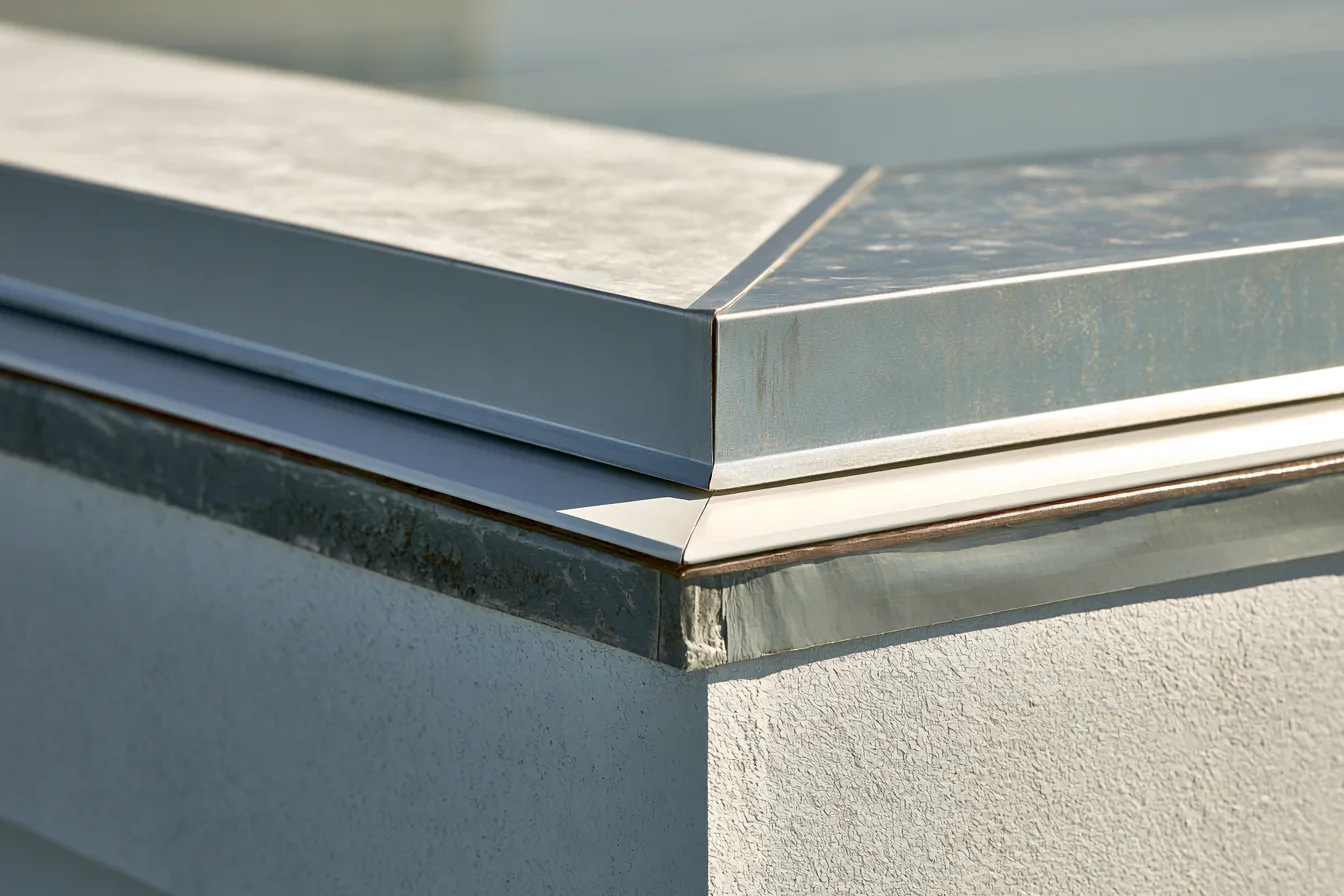
The covering must remain connected at parapets, curbs, pipes and roof edges as materials move and the roof takes wind loads. Terminations, boots, corners and coping have system-specific details. Failed connections there can leak even while the broad field looks intact.
Drainage
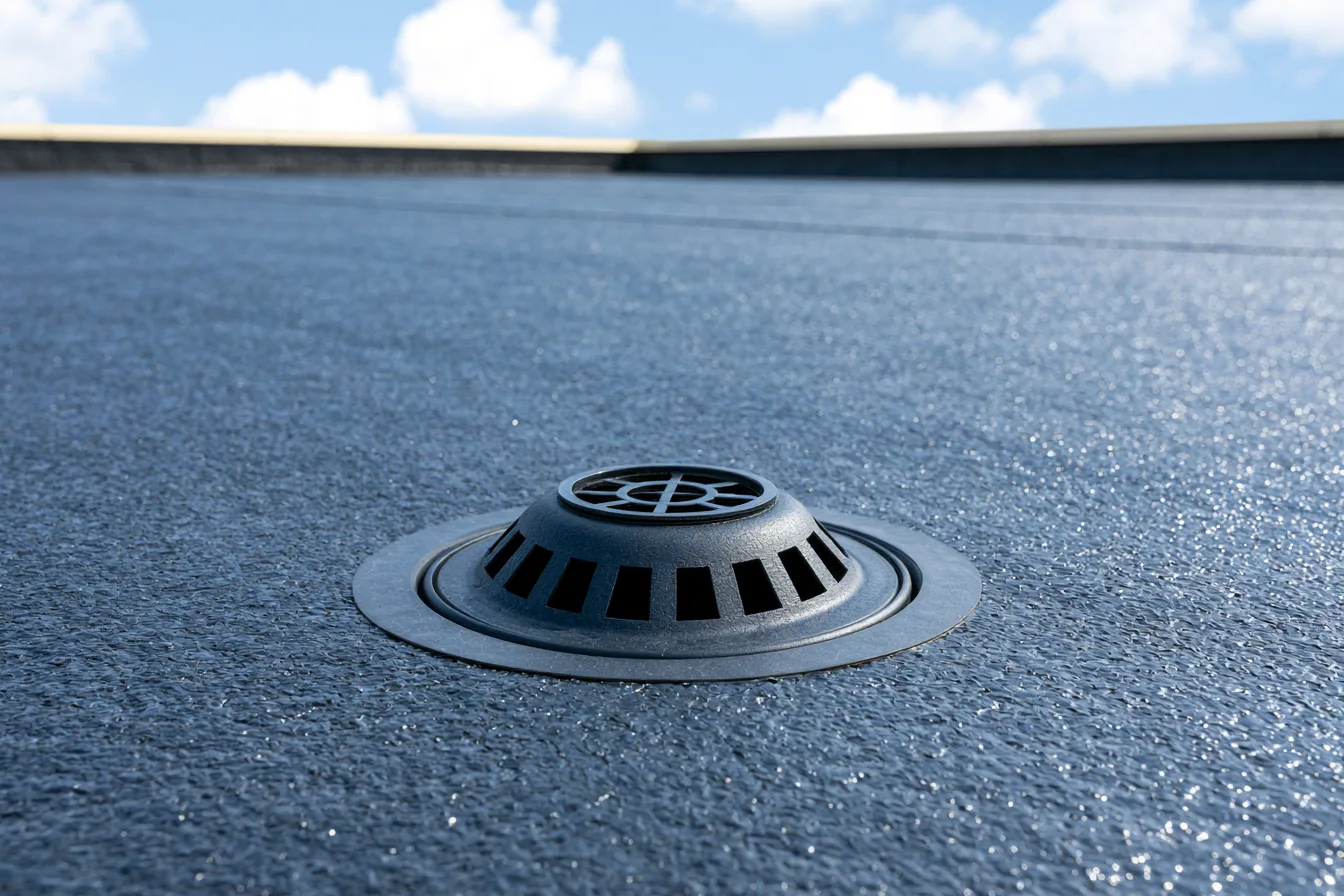
Internal drains, scuppers through the parapet and gutters take water off the roof. Tapered insulation and small built-up saddles steer water toward them. Standing water points to a blocked outlet, a low spot or a slope problem, and each has a different fix.
Repair, restore or replace a Fairview commercial roof
- Repair a defined problem
An isolated defect with a serviceable assembly around it supports a focused repair. The work still needs to follow the actual system and restore disturbed details.
- Restore a sound existing surface
A coating is a candidate for compatible roofing that can be properly prepared. Leaks and defects need repair first, and wet insulation needs removal. A fresh coating is not a substitute for dry, sound layers.
- Replace what is no longer a useful base
Widespread deterioration, moisture or unsuitable existing layers can make replacement the more complete project. Removal also gives access to conditions that a surface treatment cannot resolve.
Commercial roofing services in Fairview
Start with a defined problem or with the roof as a whole. You can ask for help without identifying the material yourself.
TPO roofing
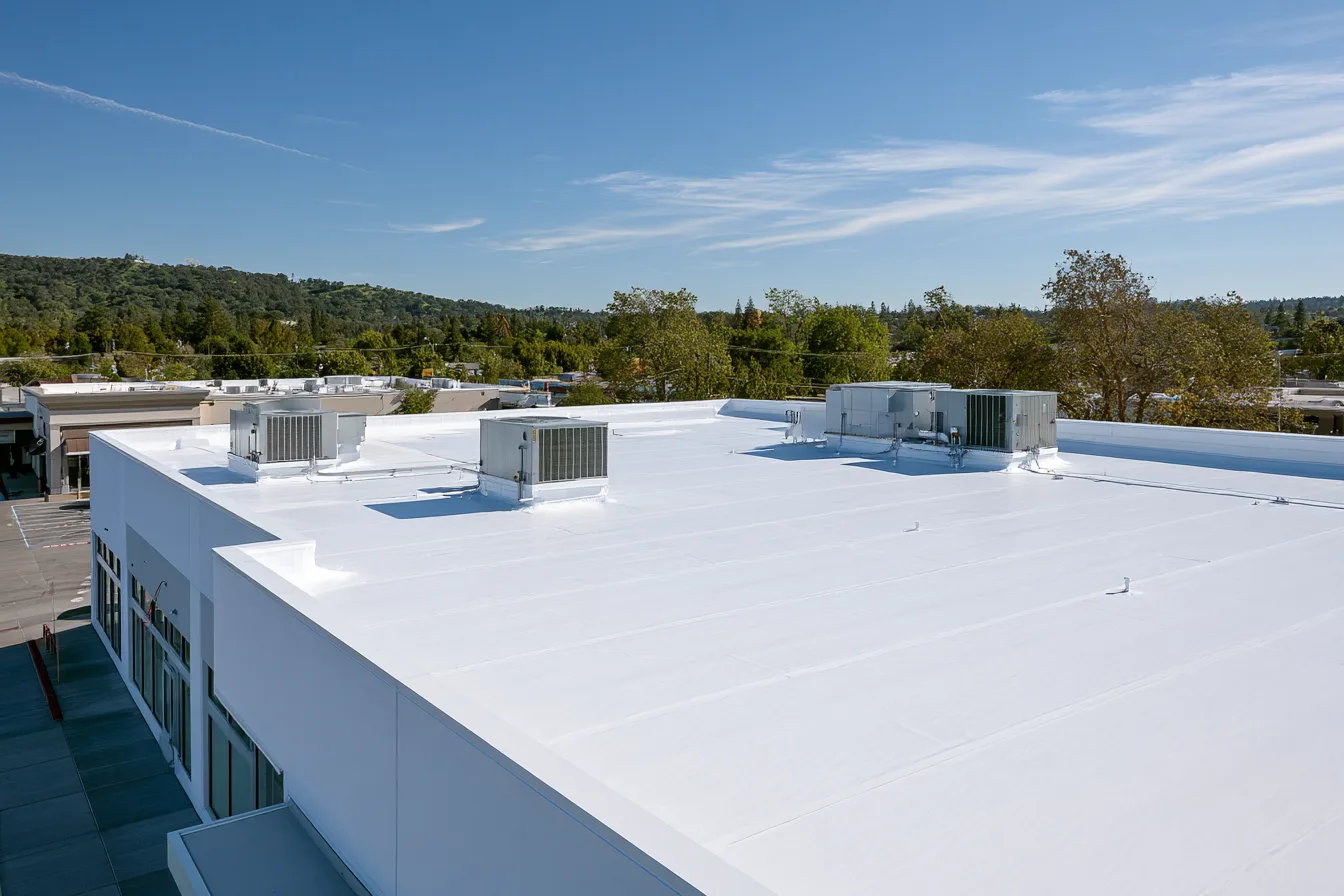
Understand welded seams, compatible repairs and the system beneath the membrane.
Explore tpo roofing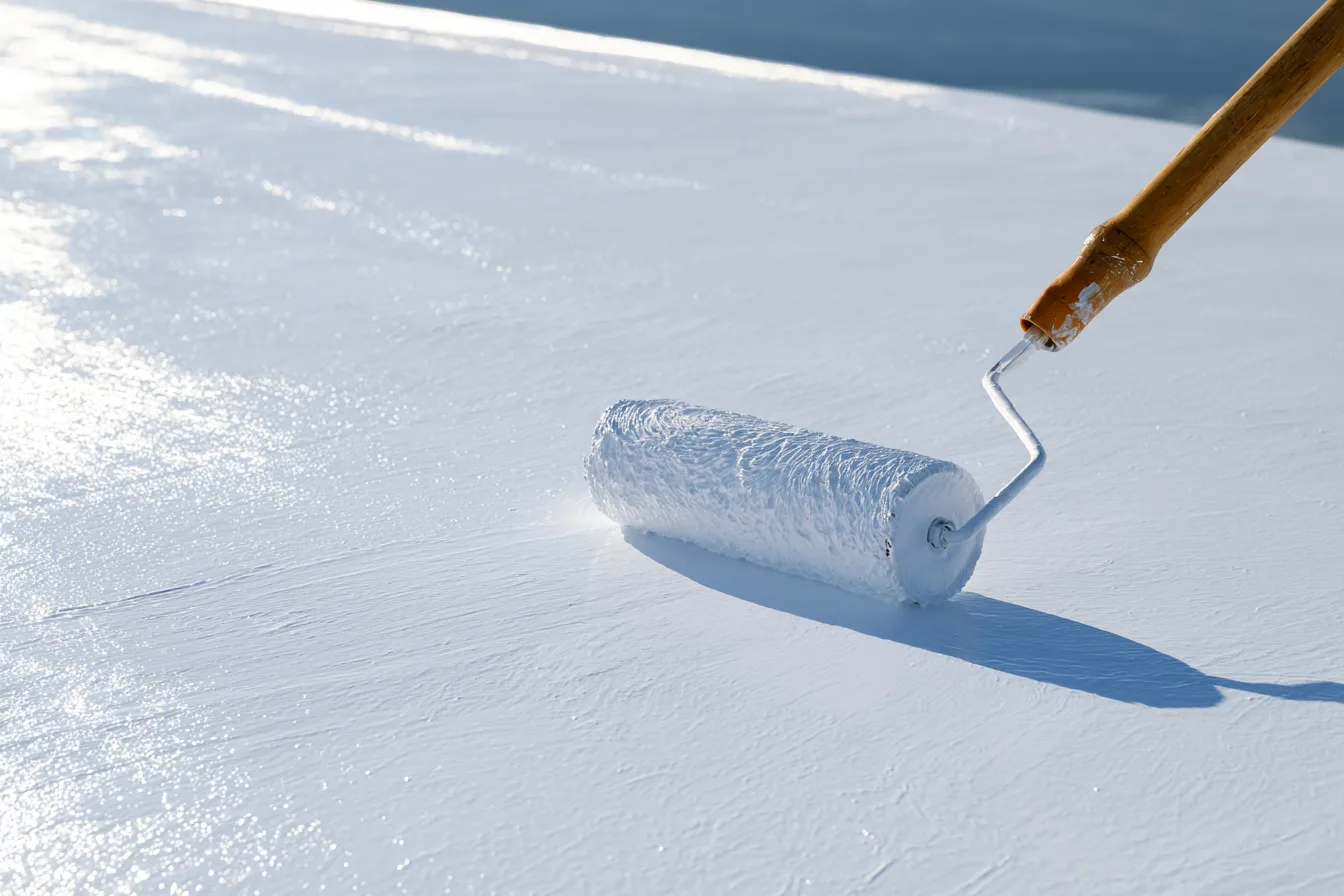
Commercial roof coatings
See when a sound roof can be prepared for restoration and what needs repair first.
Explore commercial roof coatings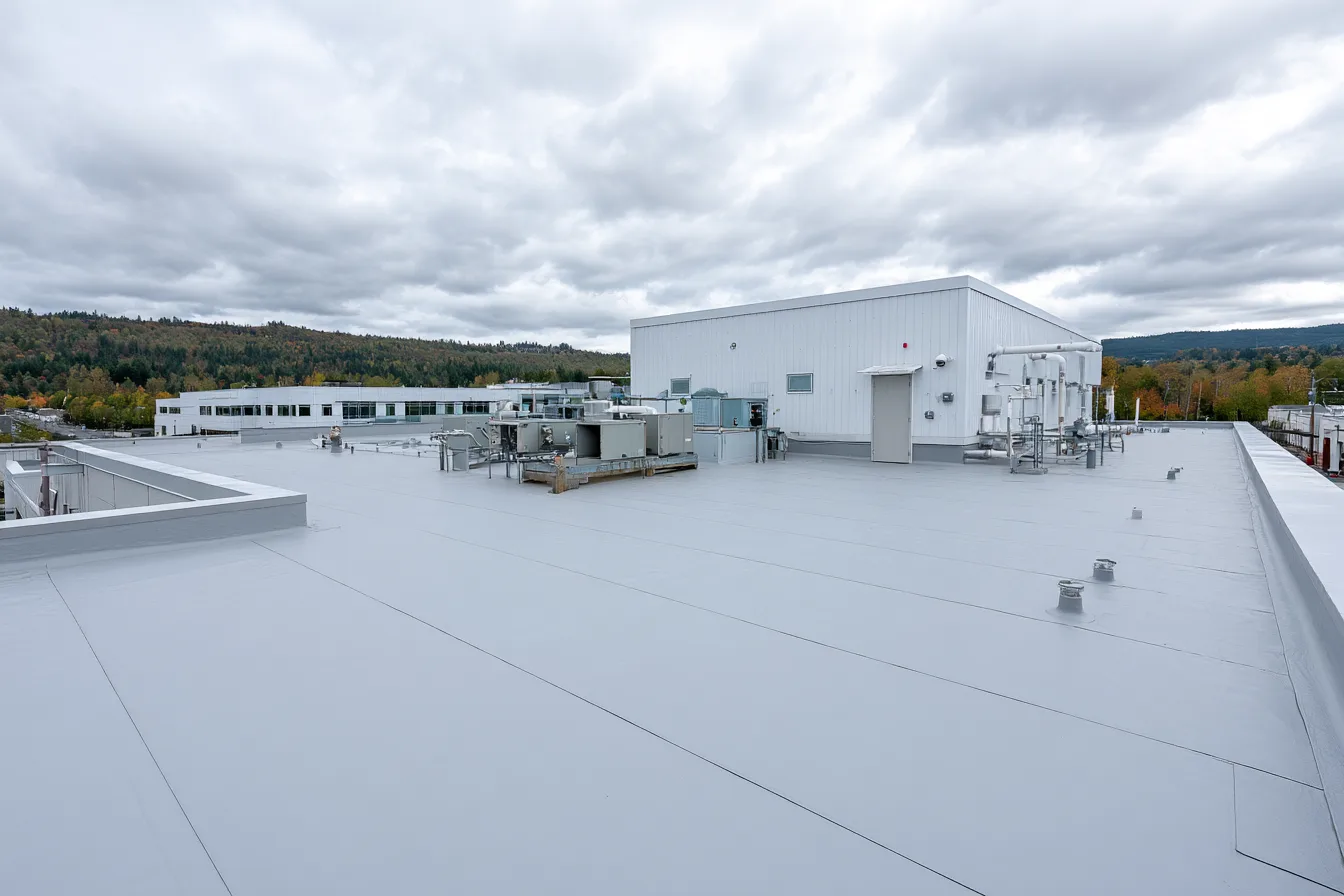
Flat roof repair
Follow leaks through membrane details, drains and the layers below.
Explore flat roof repairHow Fairview commercial roof work gets scoped
A commercial scope is built from the inside out and from the leak outward.
Start where the water shows
The affected suite or room, leak location and timing give the inspection somewhere to begin. Delayed dripping can reflect retained or traveling water, but timing alone does not measure the path or prove which roof layer is wet.
Survey the roof above and uphill
Accessible seams, curbs, pipes, drains and nearby perimeter details are considered in relation to the interior leak. The investigation follows plausible water paths and checks whether a local defect is part of a wider condition.
Find out what is wet
Soft areas, blisters and stains can justify further investigation, but none alone proves wet insulation. Suitable moisture testing or representative openings may be needed to assess concealed layers. Any test opening needs to be properly closed afterward.
Choose the level of work
A defined defect in an otherwise suitable assembly may be repaired. A compatible roof with serviceable layers may be restored after necessary repairs. Widespread deterioration or unsuitable layers can lead to replacement. Moisture extent, attachment and drainage help distinguish those choices.
Fit the work to the building
Access, staging, tenant hours and rooftop equipment go into the plan along with the roofing.
Plan Fairview commercial roof work around the occupied property
- Access and staging
Roof access, material delivery and waste removal need a location that fits the property. A loading area in use cannot be treated as empty space in a roof plan.
- Rooftop equipment
Curbs, lines and equipment bases have roofing details around them. Mechanical or electrical work requires the appropriate trade; roof repairs do not automatically include equipment service.
- Occupied spaces
Leaks above tenants, inventory or work areas need their location carried into the project conversation. Work sequencing and protection belong in the scope before the roof is opened.
- A meaningful project price
Roof area alone is not enough. Removal, wet insulation, deck condition, perimeter details, drainage changes and access can all change a commercial project. The proposal needs to identify the work behind its price.
Fairview commercial roofing FAQs
Will a coating stop every commercial roof leak?
No. A coating system needs a compatible, sound base. Defects have to be repaired and wet materials addressed before coating. Drainage and structural problems need their own solutions.
What if I don’t know whether the roof is TPO?
Tell us what you know and where the problem appears. Membranes can look similar, and repair compatibility depends on identification of the actual system.
Can roof work happen around tenants?
The project needs to account for occupied spaces, access and equipment. The workable sequence depends on the roof and the building’s use; it is part of defining the job, not a blanket promise of uninterrupted operations.
Talk through your Fairview commercial roof
Share the property address, the affected space and the roof system if you know it. Start with a free inspection and a clearer picture of the work.
Call (469) 424-9922