Roof Repair in Fairview, TX
A leak, loose shingle or damaged flashing deserves a repair that reaches the source. Start with a free Fairview roof inspection and find out what the affected roofing needs.
Free roof inspections for Fairview homes and commercial properties.
Fairview roof repair starts at the source
The wet mark on a ceiling shows where water arrived, not necessarily where it entered. Water can follow the underside of the roof or a framing member before it drops into the room. Sealing the roof directly above the stain can leave the opening untouched.
A repair inspection looks at the roof covering and the places where it changes direction or meets something else: a wall, a plumbing vent, a chimney or a lower roof. A split vent boot or separated flashing needs a different repair from a torn shingle. The work starts with that distinction.
The shingles beside a repair matter too
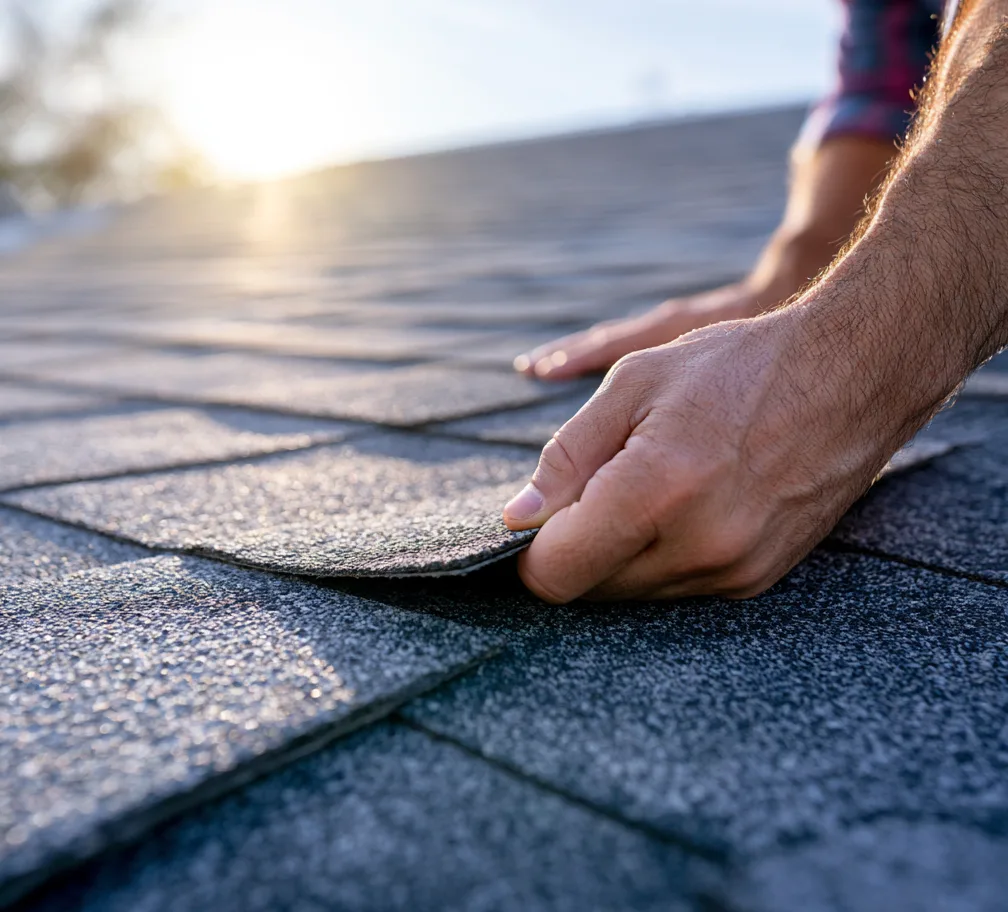
Shingles overlap to shed water. To replace one, a roofer has to release the surrounding seals and reach fasteners beneath the course above. Those disturbed connections need to be restored as part of the repair.
If nearby shingles remain workable, the repair can tie back into that covering. If lifting them causes cracking, the repair area has to extend to a sound place to join. Damage beneath the surface can add deck work as well. The visible missing piece is only part of that decision.
What a Fairview roof repair can include
Roof repair is not one job. It is whichever part of the roof stopped doing its work, plus the material that has to be disturbed to reach it.
Shingles and ridge caps
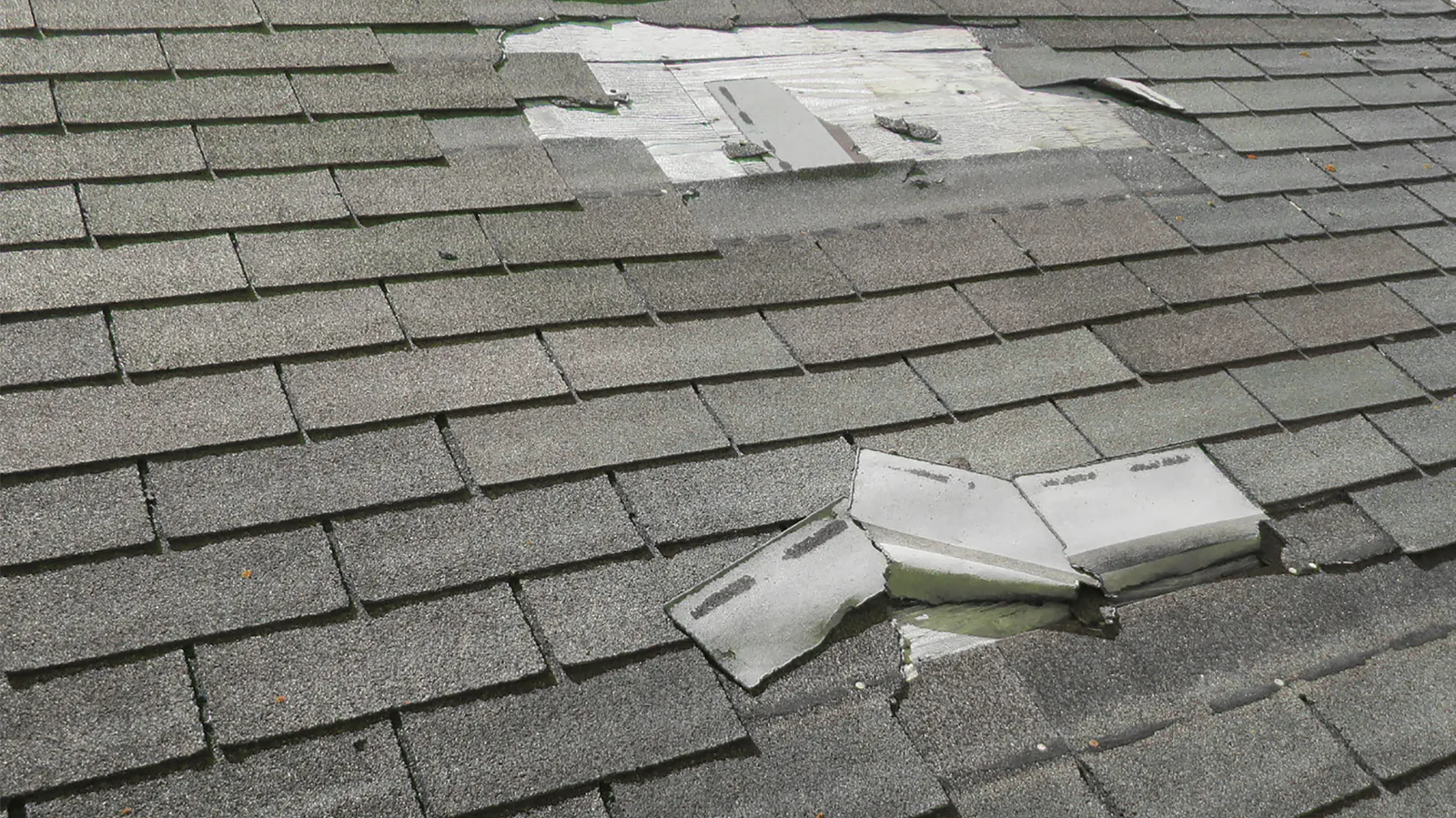
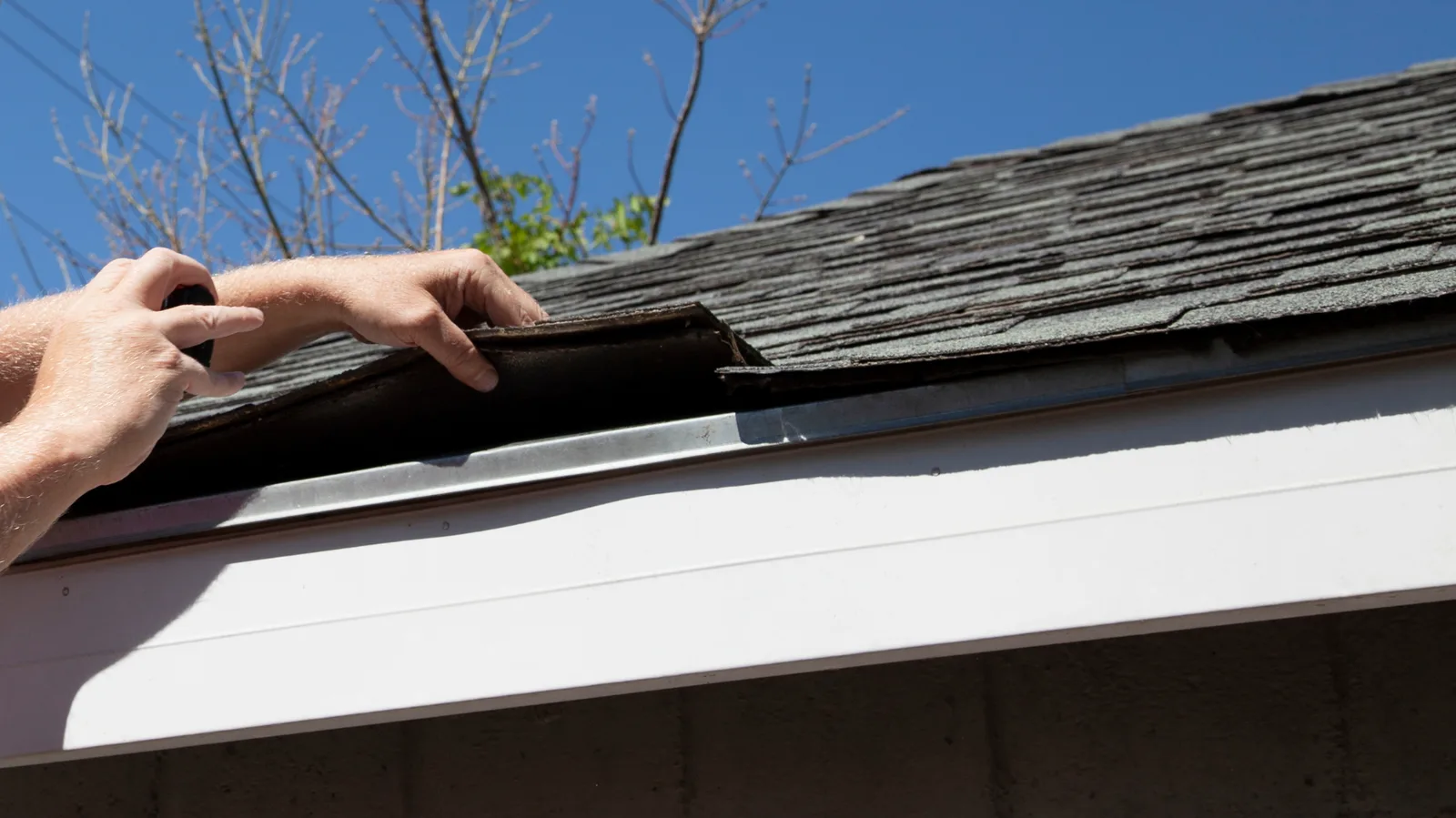
A damaged shingle comes out by breaking the seal on the course above it, pulling the nails that pass through it and sliding it free. The new shingle goes in on the same nail line, and the lifted tabs are sealed back down by hand. Ridge caps are replaced the same way along the peak, where wind gets its best grip.
The profile and available replacement material affect the finished match.
Flashing at walls and chimneys
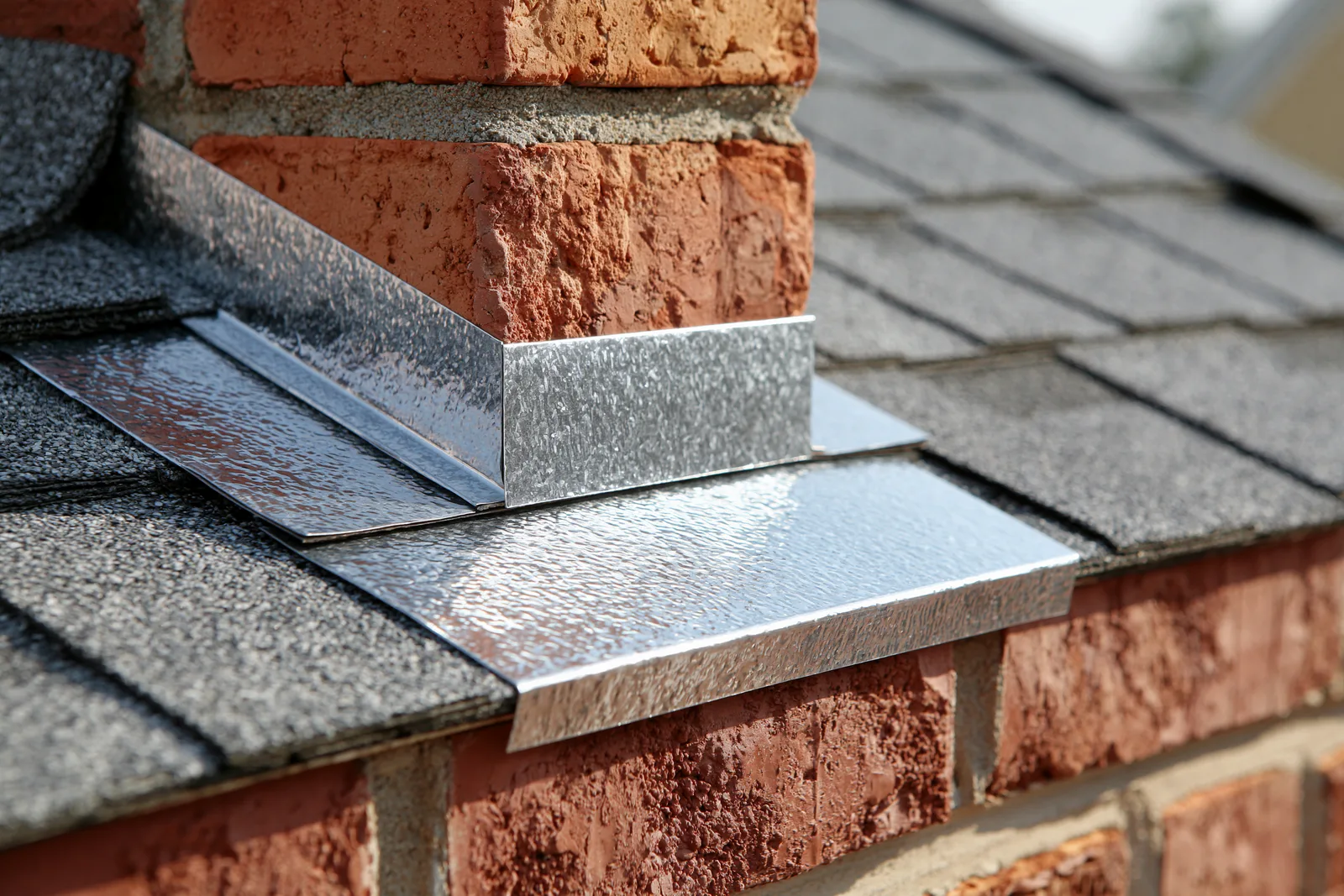
Where a roof meets a wall, L-shaped pieces of metal called step flashing are woven into each shingle course. At a chimney, a second layer of metal is set into the mortar and laps over the first. When that metal rusts through, pulls loose or was left out of an earlier job, water gets behind the shingles.
The repair takes up the shingles along the joint, replaces the metal and relays the courses over it. Sealant run along the gap is a different thing. It dries out and opens again.
Vent boots and roof openings
Every plumbing vent comes through the roof inside a boot: a metal or plastic base with a rubber collar that grips the pipe. Sun hardens the rubber until it splits, and rain then follows the pipe down into the house. Replacing a boot means lifting the shingles above it, swapping the whole flashing and sealing the courses back down. Exhaust vents and other openings are handled the same way.
Valleys
A valley carries the runoff from two slopes, so it moves more water than any other line on the roof. A valley repair opens courses on both sides to reach the lining underneath. That is why it is a bigger job than the same patch of damage out in the open field of shingles.
Decking beneath the covering
Soft or damaged decking cannot hold a nail the way sound wood does. When it turns up under a repair, the soft section is cut back to the nearest rafters and replaced with new sheathing before underlayment and shingles go back. That hidden work changes both the repair and its cost.
How a Fairview roof repair gets done
The order matters. Each step decides how far the next one has to go.
Trace the problem
The roofer starts with what you noticed: the stain, the drip, the shingle in the yard. On the roof that points to an area, and the area gets checked detail by detail, including any vent, wall or valley uphill of the spot. Water runs downhill, so the entry is at or above where it showed up.
Check what the repair will tie into
Before anything is removed, the surrounding shingles are lifted gently to see if they still flex. Flexible shingles can be unsealed and resealed. Brittle ones crack when disturbed, and that changes how far the repair has to reach.
Open the roof
The damaged material comes off, along with enough of the courses around it to get at the nails and the layers underneath. This is the first moment the underlayment and deck at that spot can be seen.
Fix what is underneath
Soft decking is replaced, torn underlayment is patched in with proper overlap, and any failed metal is swapped out.
Rebuild and seal
New shingles are woven into the existing courses from the bottom up so every piece laps over the one below. Disturbed tabs are sealed down, exposed nail heads are covered, and the area is checked for anything left loose.
When a Fairview roof repair becomes a larger project
A larger repair does not automatically mean replacing every slope. The important question is how far the condition continues.
- One defect with sound roofing nearby
A focused repair can address the opening and reconnect it to usable material. The shingles around it still bend without cracking, the deck is firm, and the fix stays the size of the problem.
- Damage across one roof plane
Work on that plane can be considered when the remaining roof is serviceable. A slope that faces the weather can wear out ahead of the others, and wind can strip one side of a house while the rest holds. The connections at ridges, valleys and adjoining planes still need to be resolved.
- Wider deterioration or repeat failures
When repairs keep reaching more worn-out material, replacement belongs beside further repair in the decision. Shingles that have shed most of their granules, crack when lifted or carry several earlier patches give each new repair less to hold on to. That is the point to price a replacement next to the repair and look at both numbers.
What changes roof repair cost in Fairview
Repair prices vary because repairs vary. The same five questions separate a short visit from a bigger job.
The part that failed
A vent boot or a handful of shingles. A few courses come up, the part is swapped and the shingles go back.
A long run of wall flashing or a valley. More courses come up over more of the roof to reach the metal underneath.
The shingles around it
Shingles that still flex can be lifted and resealed, so the repair stops at the damage.
Brittle shingles break when lifted. The repair keeps going until it reaches material that holds together.
The wood underneath
Firm, dry decking. New underlayment and shingles go straight back on.
Soft or stained decking is cut out and replaced first, which adds material and time.
Getting to it
A low slope on a single story, close to where a ladder can stand.
A steep pitch, a second story, or a spot above a sunroom or fence needs more setup to work safely.
Matching material
A current shingle line in a common color.
A discontinued profile or color takes more effort to find, and the closest match can still look newer than the roof around it.
A free inspection shows which side of each line your roof is on. The repair-or-replacement guide walks through the same questions.
Fairview roof repair FAQs
Can a roof repair match my existing shingles?
A close match depends on the shingle profile, available products and weathering of the existing roof. Even a matching product can look different from material that has been exposed for years. The repair still needs to restore the water-shedding detail.
What should I tell you about a roof leak?
The property address, the room or outside area involved and roughly when you noticed it are enough to start. Mention anything you already observed, such as a leak during wind-driven rain. You do not need to climb up or trace it yourself.
Is a tarp the completed repair?
No. A temporary cover limits exposure while permanent work is arranged. Fastener holes, damaged roofing and the original leak source still need the appropriate repair. Stay off the roof and ask for help with temporary protection.
How do I know whether to repair or replace?
The inspection establishes how much sound roof remains around the defect. The repair-or-replacement guide explains which findings widen the work. Age alone does not settle it.
Get your Fairview roof repair started
A free inspection is a useful first step when the leak is clear but the repair is not. Share the property and the concern, and start there.
Call (469) 424-9922